


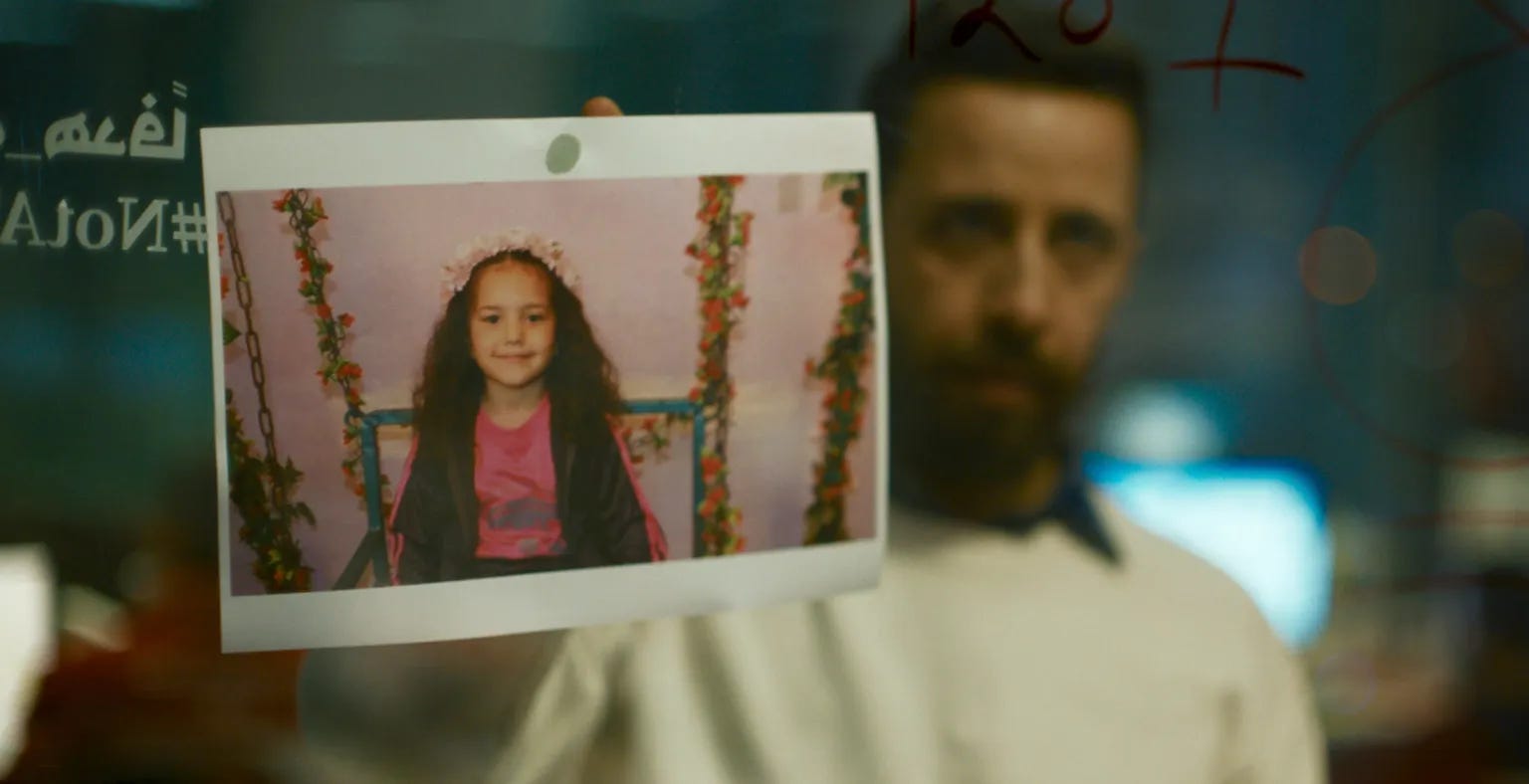
When I first heard the news about the ‘Voice of Hind Rajab’ movie being released, backed by a Hollywood A-list producer team, my first reaction was — great, it’s super important this gets made for all the world to see. For everyone who isn’t already aware of what the Israeli army is capable of, to see them pummel 335 bullets into the body of a 6-year-old girl, while claiming self-defense.
I went to sleep and woke up feeling uneasy about it. My digestive system always gives me the best instincts. I began to examine why I felt the way I did. Firstly, I wasn’t ok with Brad Pitt being on the producing team. It felt like he was only doing it to whitewash his domestic abuser reputation. Why on earth would you get on a producer team of a movie covering a war crime you never said a word about?
Brad Pitt’s name alone could help end this genocide. If he stood on any stage in the world, named the perpetrator — Israel, and demanded an end to the offensive, it would surely set the ball rolling. Yet he has never uttered a word about this Holocaust of our time unfolding before our eyes, never lent his name to the victims’ plea, never used his influence to try to stop it — and now he’ll profit from a movie about the very genocide he has refused to speak about publicly?
Every time I have a strong feeling about something to do with Gaza or Palestine, I ask my Palestinian friend what she thinks about it, am I right with what I think or feel, and what is her take? After all, however the Palestinian people feel about any of this, should be the norm we should all follow. This is their story. So I asked her what she thinks about this movie being made, depicting the death of one of her people. Her response was this:
“I have mixed feelings about this. On one hand, it feels like it’s all about the actors, movies, and fame. A popular topic that might not actually change anything. Part of me can’t help but feel that Gaza’s suffering is being used in the outside world for other people’s purposes. On the other hand, I know that some of them genuinely have good intentions and truly want the world to see what’s happening. We’ve tried so many ways to get the word out, and maybe this is just another one. I’m trying to focus on the good in it, but deep down, I still struggle with how it makes me feel knowing the Gazans’ suffering is being used by many.”
No matter which angle I take, I keep coming back to the same question: Why are we making a movie about an ongoing genocide instead of using everything we’ve got to try to stop it? Why are we romanticizing this death on screen like this genocide happened in the past? Why are we cinematicising this grief while children, like Hind, are still being slaughtered daily?
If you cannot see my point, I implore you to think about this, as some of you only react to white people’s deaths: Imagine Schindler’s List being made in 1944? Imagine Schindler’s List being released while Auschwitz-Birkenau is still open and running? Wouldn’t you say then, hold on a minute, why are we making a film, why don’t we do something to rescue these people?
